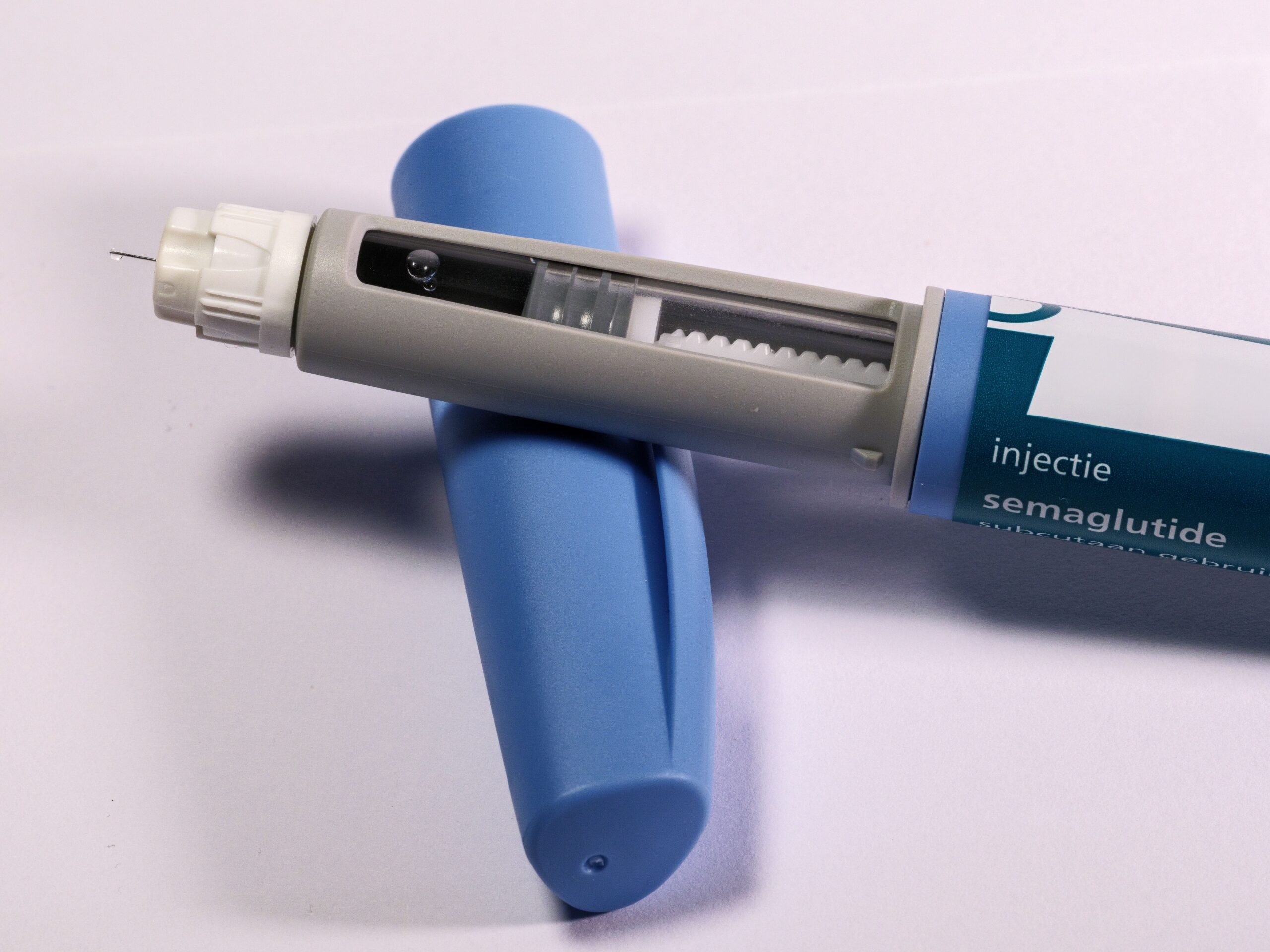
With next-generation metabolic combinations continuing to set new standards in the clinic, type 2 diabetes and chronic weight management have now entered an unprecedented therapeutic era. In the final days of September 2026, drug giant Eli Lilly and Company released its first-ever clinical trial data for a new dual-action treatment combining its best-selling drug Mounjaro (tirzepatide) with an experimental drug named eloralintide. In high-dose clinical cohorts of patients with type 2 diabetes, the combination therapy reduced hemoglobin A1c by a remarkable 2.9 percentage points. It resulted in an average total body weight loss of up to 23%, or approximately 54 pounds per patient, reports Bloomberg.
This metabolic milestone is causing such a widespread medical stir because it’s historically been extremely hard for people diagnosed with type 2 diabetes to lose more than 20% of their weight. Due to chronic insulin resistance, metabolic adaptations and the inability to signal satiety, people with diabetes have been found to lose much less weight on anti-obesity drugs compared with people without diabetes.
In the case of a combination drug, a dual incretin receptor agonist also combined with an amylin analog, physicians can hit on several different gut hormone pathways at once, and create a powerful, deep metabolic change that comes close to what bariatric surgery can achieve.
What is Eli Lilly’s best-selling drug?
The top-selling drugs for Eli Lilly are tirzepatide (Mounjaro) for type 2 diabetes and tirzepatide (Zepbound) for chronic weight management.
Tirzepatide outperforms legacy insulins, cancer drugs and autoimmune therapeutics worldwide, has a valuation of tens of billions of dollars a year, and makes Lilly one of the most valuable health care and biopharmaceutical companies ever.
Its high level of blood-glucose reduction, which is superior to earlier single-hormone GLP-1 drugs, and strong weight reduction effects have undoubtedly contributed to its commercial rise.
How the medication works
The dual-acting mechanism of the combination therapy involves tirzepatide and eloralintide acting on the stomach, pancreas and central nervous system in a synergistic, multi-hormone manner.
According to the National Institutes of Health (NIH), tirzepatide is a dual-receptor agonist that binds to both the glucagon-like peptide-1 (GLP-1) and glucose-dependent insulinotropic polypeptide (GIP) receptors. When administered subcutaneously once weekly, it binds directly to the cell-surface GIP and GLP-1 receptors in the pancreas.
The binding activates insulin release in response to glucose levels, so the pancreas releases insulin only when blood glucose is elevated after eating, which significantly reduces the risk of a sudden drop in blood glucose. At the same time, it decreases the liver’s release of excess stored glucose in response to glucagon, which would otherwise lead to high blood sugar levels.
Eloralintide is an analog of amylin, a peptide neurohormone co-secreted with insulin by pancreatic beta cells, thereby introducing a third critical pathway of control. For people who have longstanding diabetes or advanced insulin resistance, the ability of the body to secrete amylin at the right times and in the right amount is very impaired.
Eloralintide acts on the calcitonin and amylin receptor complexes in the brain’s two key appetite-control centers, the area postrema and the arcuate nucleus of the hypothalamus. Tirzepatide and eloralintide work together to substantially slow the rate at which food empties from the stomach into the small intestine. This slow release of stomach contents helps reduce glucose spikes after eating. It provides a steady stream of satiety signals to the brain, thus silencing the continuous, nagging inner “food voice” and reducing the urge to eat so many calories.
Common side effects
The vast majority of common side effects occur during the first dose-escalation phase, as both tirzepatide and eloralintide slow gastrointestinal transit and recalibrate neurochemical pathways that regulate appetite.
The most common side effect reported is nausea, which is usually experienced when first starting the treatment or when increasing to higher dose levels and often includes bloating, early fullness and a little vomiting if the amount of food is not reduced right away, the Cleveland Clinic explains.
Changes in gut motility often result in watery stools as the gut adapts to different hormonal signals, and sometimes in mild to moderate constipation due to slowed gastric motility.
Rare or serious side effects
Dr. Justus Rabach, MD, tells Blavity Health, “The multi-drug combination is well tolerated under medical supervision, but there are possible rare high-severity clinical risks involved with the manipulation of multiple endocrine pathways. Acute pancreatitis is a sudden and severe inflammation of the pancreas that may occur with incretin and amylin therapy.”
The National Pancreas Foundation explains that it causes severe abdominal pain that passes straight through to the mid back and requires urgent hospital admission.
Severe gall bladder disease can develop rapidly, mostly stimulated by rapid and extensive weight loss and changes in biliary cholesterol saturation, and not just drug toxicity alone, such as acute cholelithiasis (gallstones) and cholecystitis.
With co-administration of multi-hormone combinations in combination with insulin or insulin secretagogues such as sulfonylureas, the need for significant prophylactic reduction of the background diabetes drugs is a critical risk of hypoglycemia.
In rare cases, the stomach may empty so slowly that food does not move at all, causing gastroparesis or severe gastrointestinal ileus, which increases the risk of pulmonary aspiration during general anesthesia.
Warnings for thyroid C-cell tumor remain a universal class warning based on rodent carcinogenicity studies, and the medication is contraindicated in people with personal or family history of medullary thyroid carcinoma (MTC) or Multiple Endocrine Neoplasia syndrome type 2 (MEN 2), the American Thyroid Association explains.
What to do if you notice symptoms
Multi-hormone metabolic therapy involves making structured dietary changes and communicating with your prescribing endocrinologist or primary care doctor to manage side effects.
Take steps to relieve mild to moderate nausea or reflux. Cut back on meal size right away, choose lean foods, eat slowly, and steer clear of anything fatty, greasy, or high in spices, which can make nausea or reflux worse by slowing stomach emptying. Avoid dehydration from diarrhea or inadequate fluid intake by using a balanced electrolyte drink and plenty of water.
If the abdominal pain is severe and persists, or if vomiting does not stop and you are unable to keep food or fluids down for more than 24 hours, if your skin or eyes are turning yellow, or if you have signs of low blood sugar, including cold, clammy skin, tremors, confusion, stop the injections right away and get medical care as soon as you can.
Always take an incremental approach when adding next-generation incretins/amylins. Your gastrointestinal tract and brainstem’s appetite centers have a natural ability to adapt to any new food or dose, and taking at least four full weeks per initial dose will give your systems time to do so, meaning that you will experience less nausea and gastrointestinal upset.
Alternatives
There are a variety of evidence-based pharmaceutical, surgical and lifestyle options for patients with type 2 diabetes (T2DM) and chronic obesity, depending on individual metabolic profiles.
Single-molecule dual and triple agonists, such as tirzepatide alone (Mounjaro or Zepbound) and semaglutide (Ozempic or Wegovy), which target GLP-1 receptors, are direct pharmaceutical alternatives that have been shown to achieve an average weight loss of 15% to 20% and demonstrate cardiovascular benefits, according to Stanford Medicine.
Another group of emerging triple agonists, including retatrutide, that targets GIP, GLP-1, and glucagon receptors, is also progressing in late-stage clinical pipelines.
Oral sodium-glucose cotransporter-2 (SGLT2) inhibitors, such as empagliflozin and dapagliflozin, work by increasing the amount of excess blood glucose excreted in the urine, with a significant effect on heart failure and only a minor effect on gastric emptying.
Permanent anatomical restriction and endogenous gut hormone alteration remain the gold-standard interventions, alongside metabolic/bariatric surgery, such as LSG and Roux-en-Y gastric bypass, to achieve 25%-30% total body weight loss, according to a PMC publication.
Structured resistance training to maintain lean skeletal muscle mass, along with nutritional plans such as the Mediterranean or low-carbohydrate diet, should be considered comprehensive lifestyle interventions to support metabolic health, in addition to any medical interventions.
“With these drugs, there are physiological changes in people’s bodies that change their desire for food,” said Jonathan Bonnet, MD, a lifestyle medicine specialist at Stanford Medicine. “When people don’t feel hungry all the time, it becomes much easier to make good choices about what to eat or how much to eat.”
Bottom line
The experimental drug combination, Mounjaro (tirzepatide) and the amylin analog eloralintide, developed by Eli Lilly, has already had an unprecedented average weight loss of 23% and an average reduction in HbA1c of 2.9% for people with T2D. This combination activates three gut hormone systems (GIP, GLP-1, and amylin) to create a synergistic effect that suppresses appetite-related neurological sensations and ensures optimal insulin secretion in line with glucose availability. Although common side effects are still focused on relatively easy-to-manage gastrointestinal issues such as nausea and diarrhea, it’s a game-changing development in medical treatment for obesity and diabetes.
Frequently Asked Questions
Who owns most of Eli Lilly?
The largest shareholder of Eli Lilly and Company is the Lilly Endowment Inc., a private charitable foundation established in 1937 by members of the Lilly family, alongside major institutional investment firms like Vanguard and BlackRock.
Where is Eli Lilly based?
Eli Lilly and Company is headquartered in Indianapolis, Indiana, where the global pharmaceutical corporation has maintained its worldwide corporate and research operations since its founding in 1876.
Citations
Kresge N. Lilly Drug Combo Spurs Record Weight Loss in Diabetes Study. Bloomberg.com. Published September 30, 2026. https://www.bloomberg.com/news/articles/2026-09-30/lilly-drug-combo-spurs-record-weight-loss-in-diabetes-study
Min T, Bain SC. The Role of Tirzepatide, Dual GIP and GLP-1 Receptor Agonist, in the Management of Type 2 Diabetes: The SURPASS Clinical Trials. Diabetes Therapy. 2020;12(1). doi:10.1007/s13300-020-00981-0
Cleveland Clinic. How To Manage the Digestive Side Effects of GLP-1 Medications. Cleveland Clinic. Published September 9, 2026. https://health.clevelandclinic.org/how-to-manage-glp-1-side-effects
The National Pancreas Foundation. Acute Pancreatitis. National Pancreas Foundation. Published February 7, 2023. https://pancreasfoundation.org/pancreas-disease/acute-pancreatitis/
American Thyroid Association. American Thyroid Association. Published 2016. https://www.thyroid.org/medullary-thyroid-cancer/
Stanford Medicine. GLP-1s 101: What the science says about weight loss, side effects, safety. News Center. Published July 24, 2026. https://med.stanford.edu/news/insights/2026/06/glp1s-101-weight-loss-wegovy-ozempic-zepbound-side-effects-safe-use.html
Lee WJ, Almalki O. Recent advancements in bariatric/metabolic surgery. Annals of Gastroenterological Surgery. 2017;1(3):171-179. doi:10.1002/ags3.12030